If you've ever felt like your brain was made of lead for the first hour of your day, you've experienced sleep inertia. While everyone feels a bit groggy initially, for heavy sleepers, this state can be paralyzing. It leads to missed meetings, chronic lateness, and a constant feeling of "morning dread."
What Exactly is Sleep Inertia?
Sleep inertia is the transitional state between sleep and wakefulness, characterized by impaired performance, reduced vigilance, and a strong desire to return to sleep. It’s like a computer booting up after a hard crash; the operating system is loading, but the user interface isn't responsive yet.
Research published in the Journal of the American Medical Association (JAMA) suggests that the cognitive impairment caused by sleep inertia can be as severe as legal alcohol intoxication. Imagine trying to make important life decisions while your brain is effectively "drunk"—that's exactly what you do every time you hit the snooze button.
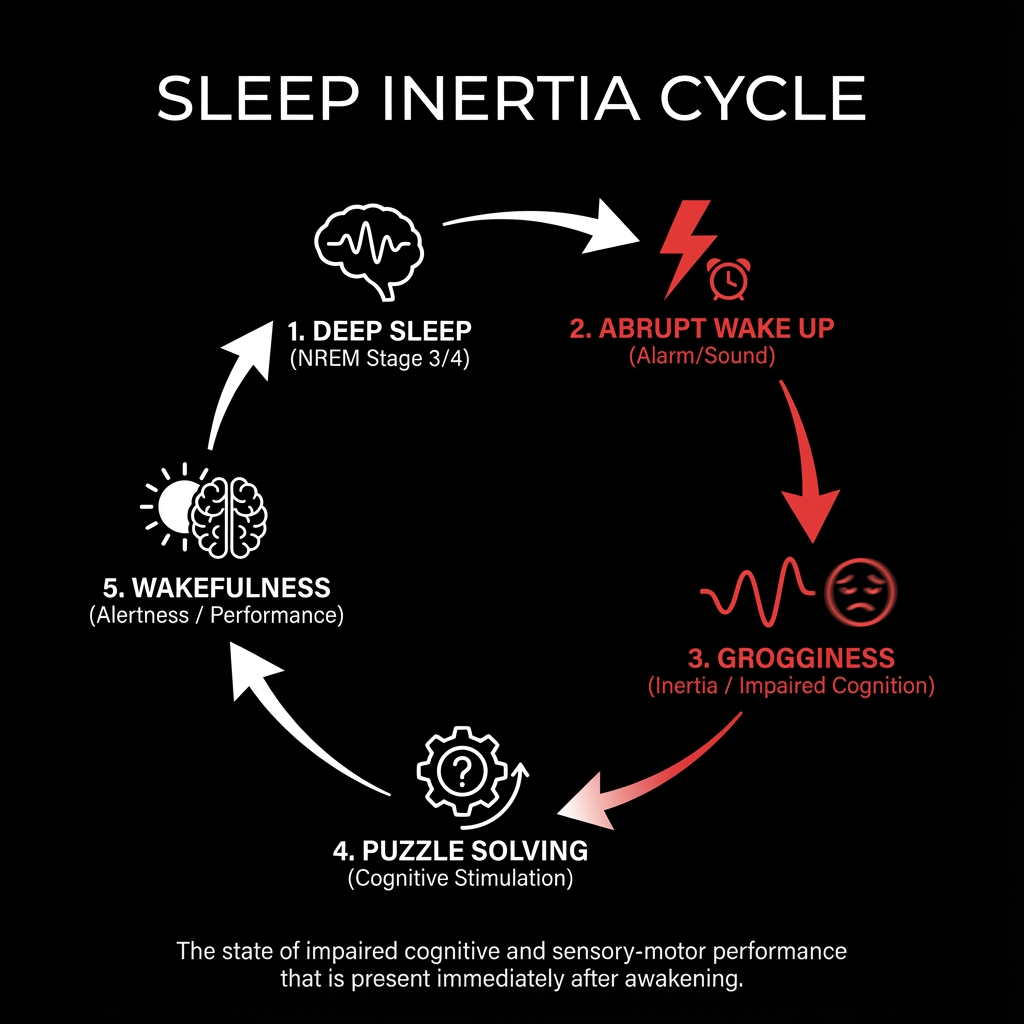
Figure 1: The biological timeline of sleep inertia vs. immediate cognitive awakening.
Why Traditional "Gentle" Alarms Make It Worse
Most modern alarm clocks aim for a "zen" wake-up experience. They use soft bird chirps, rising sun simulators, or gentle chimes. While these are great for light sleepers, they are a disaster for those prone to deep sleep inertia.
- The Comfort Trap: Gentle sounds are easily incorporated into dreams. You might dream you're in a peaceful garden while your alarm is actually telling you you're late for work.
- The Snooze Loop: When a sound is "pleasant," your brain has no biological imperative to stop it. It’s too easy to reach over, tap snooze, and fall back into fragmented sleep.
For heavy sleepers, the goal isn't just to be "woken up"; the goal is to be activated. This requires a two-pronged approach: Sonic Irritation and Cognitive Challenge.
Step-by-Step Strategies to Defeat the Fog
1. Use a "High-Cognitive" Alarm
The single most effective way to break sleep inertia is to force your prefrontal cortex to turn on. This part of the brain is responsible for logic and planning, and it's the last part to wake up. By the time you solve a puzzle—like the ones in Ducking Loud—your prefrontal cortex is already online. You can't solve a memory match game with a sleeping brain.
2. The "Across the Room" Rule
Physical movement is a biological signal for wakefulness. When you stand up, your heart rate increases and blood flows to your extremities. Placing your phone across the room forces you to get out from under the covers to stop the noise. By the time you reach your phone, the hardest part of waking up—the initial movement—is over.
3. Light: The Natural Zeitgeber
Light is the most powerful signal for your internal clock. Immediately after silencing your alarm, open the curtains or turn on a bright SAD (Seasonal Affective Disorder) lamp. Light suppresses the production of melatonin (the sleep hormone) and triggers the release of cortisol, which helps you feel alert.
4. Hydrate to Re-Energize
You lose a significant amount of water through respiration while you sleep. Most morning fatigue is actually mild dehydration. Drinking 500ml of water immediately upon waking can drastically reduce the "heavy brain" feeling of sleep inertia.
The Psychology of the Snooze Habit
Snoozing is a form of procrastination. Every time you hit snooze, you are essentially telling yourself that your future (getting to work, exercising, starting the day) is less important than 9 minutes of low-quality sleep. Over time, this trains your brain to ignore commitments.
To break this habit, you need to remove the option of failure. This is why "unwinnable" alarms are so effective. When the snooze button doesn't exist, your brain stops looking for it as a solution.
Conclusion: Consistency is Your Best Friend
The ultimate cure for sleep inertia isn't a secret pill; it's consistency. Your body loves routine. If you wake up at the same time every day—including weekends—your internal biological clock (circadian rhythm) begins to anticipate the wake-up time. You'll eventually find that you start waking up minutes before your alarm even goes off.
But until that day comes, you need a backup. You need something that won't take "no" for an answer. You need a tool that forces your brain to wake the duck up.
Ready to stop being a zombie?
Download the world's most annoying (and effective) alarm clock today.
Download Now